
No products in the cart.
The Unseen Side of British Horse Racing What Happens When It’s Not On -1402837078

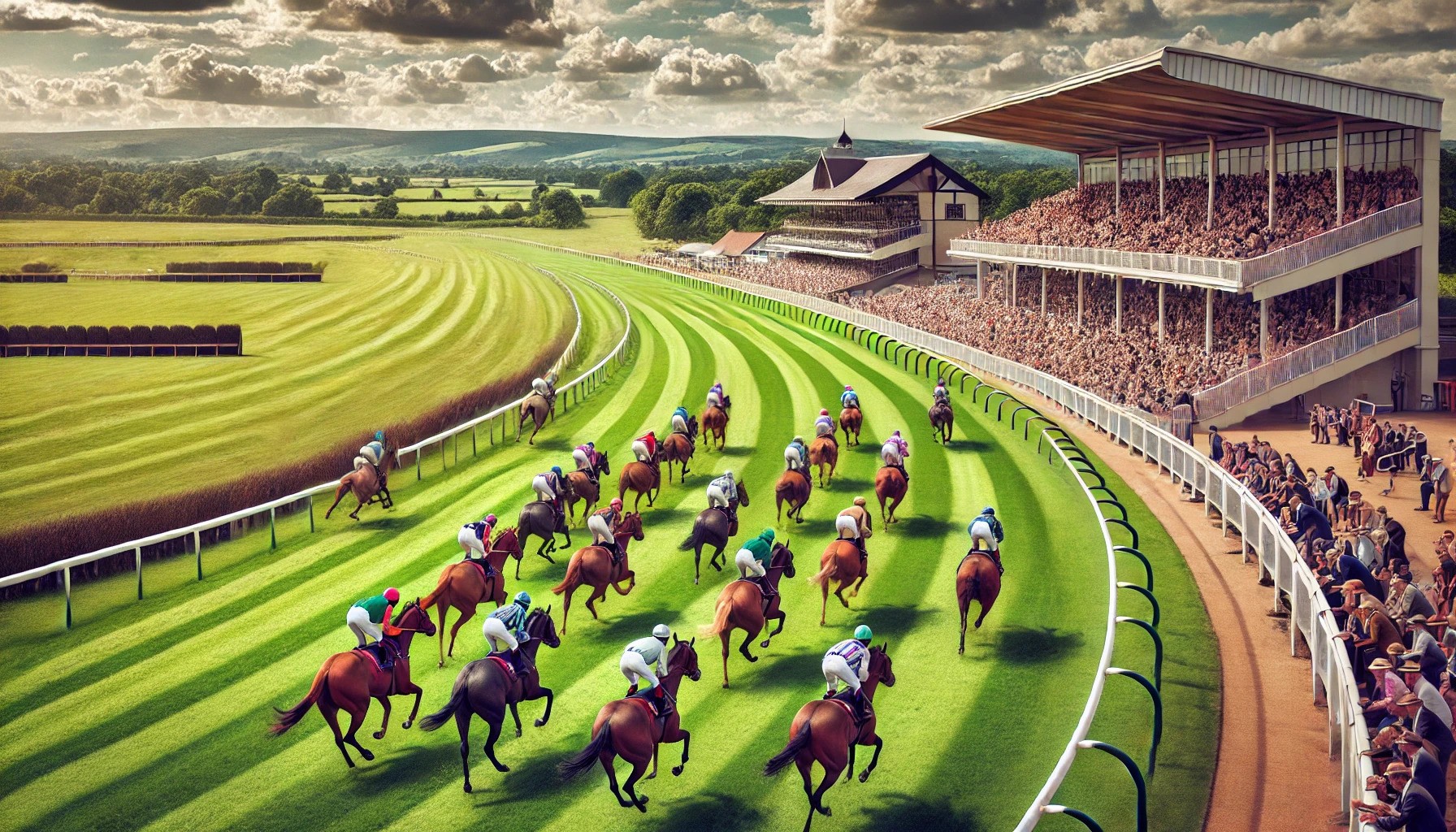
The Unseen Side of British Horse Racing: What Happens When It’s Not On
British horse racing is a celebrated sport, renowned for its rich history and thrilling events. Yet, there exists a lesser-known side—the time when the racing calendar is quiet, and there are no spectacular events taking place. Understanding what happens during these off-peak times is essential for any enthusiast. Engaging with the sport extends beyond just the races, and for those looking to explore British horse racing not on GamStop non GamStop horse racing sites, the options are plentiful. This article delves into the nuances of British horse racing when it’s not actively running, highlighting training, betting activities, and the many fans who continue to engage with the sport.
The Lifeblood of Racing: Training and Preparation
While the excitement of race day often overshadows everything else, a thriving industry lies in the daily training regimens of racehorses. The life of a racehorse when not competing is rigorous and carefully structured. Trainers meticulously guide their horses, focusing on fitness, skill development, and overall health.
Training can occur year-round, regardless of the racing calendar. During this time, horses learn to navigate different types of tracks, respond to their jockey’s commands, and develop their speed and stamina. The best trainers spend considerable time with their horses, perfecting techniques and adjusting based on the horse’s strengths and weaknesses.
Additionally, trainers assess the horses’ health through regular check-ups, ensuring that they are fit to race when the time comes. Veterinary evaluations, nutrition, and even mental health play a role in the comprehensive training schedules. In fact, many trainers invest in technology and data analysis to optimize training methods further, ensuring that each horse is at its peak performance when it is time to race.
Behind the Scenes: The Betting Landscape
The world of betting thrives around horse racing, and it remains active even when races are not taking place. Betting shops, both physical and online, offer various betting markets, including virtual racing and other sports to engage punters. Many avid bettors use the off-racing periods to analyze past performances, study horses, jockeys, and trainers, and strategize their betting approaches for future races.
This off-season also provides a unique opportunity for bettors to explore new avenues. Punters often delve into the statistics and analytics of horse racing, perfecting their skills or even learning about intern

ational racing events. In addition, online platforms allow them to bet on other forms of racing, including greyhound racing and even some esports too, offering a diversification of options.
The advancements in technology have ushered in a new era of betting engagement. Mobile applications allow for smooth betting experiences, while social media and the internet enable betting communities to exchange tips and insights. This interaction keeps the thrill alive, ensuring that horse racing aficionados remain engaged even when they have no live events to attend.
The Community: Engaging with Fellow Aficionados
Beyond the tracks, the community of British horse racing fans remains vibrant and active. Social media platforms provide dedicated spaces for fans to share insights, discuss strategies, and remain connected with the sports. Horse racing enthusiasts often form clubs or societies that organize meet-ups, discussions, or events centered around horse racing.
Additionally, educational events, training seminars, and workshops offer opportunities for fans to deepen their understanding of racing strategies and the nuances of horse care and training. These gatherings help foster a sense of community and ensure that the passion for the sport continues to thrive, even during quieter times.
The Allure of Ownership: Racehorse Ownership Opportunities
For some insatiable horse racing enthusiasts, the allure of owning a racehorse becomes an exciting possibility. There are various syndicates and partnerships that allow fans to own a share of racehorses. This can provide a thrilling sense of participation in the sport, as owners get to witness their horse’s journey from training to the starting line.
Many ownership groups host events and informative sessions, presenting owners with insights into the management and care of racehorses. When racing is not on, owners often engage with their horses from the ground up, attending training sessions and interacting with trainers, which contributes to their educational experience.
Alongside ownership, breeders are involved in the sport throughout the year. They work tirelessly to breed thoroughbreds and prepare them for the market, ensuring the sport continues to welcome new stars. The buy-sell dynamic of racehorses remains active, keeping breeders and buyers engaged during the quieter months.
Horse Racing: A Cultural Phenomenon Beyond the Race
British horse racing is woven into the cultural fabric of the UK. Events like the Grand National and Royal Ascot are not just about the racing; they represent social gatherings, fashion spectacles, and a celebration of tradition. When these events are not on, the cultural impact lingers on as fans reminisce, anticipate future events, and engage with the sport’s heritage.
Museums, racing archives, and themed events continue to celebrate the sport, offering discussions and exhibitions on its history. The legacy of legendary horses, trainers, and jockeys remains a focal point, inspiring future generations while keeping the narrative of British horse racing alive.
Conclusion: The Ongoing Journey of British Horse Racing
While British horse racing may not always dominate the calendar, its heartbeat continues to pulse through daily training, betting activities, and the vibrant community of fans. Engaging with the unseen side of racing not only enriches one’s knowledge but also fosters a deeper appreciation for this complex and beautiful sport.
It’s essential to recognize that the passion for horse racing is not solely confined to race days. The intricate dance of preparation, education, and community engagement signifies that, in many ways, the sport is always “on,” even when the races are not.
