
No products in the cart.
The evolution of gambling tracing its historical roots and cultural impact

The evolution of gambling tracing its historical roots and cultural impact
The Origins of Gambling
The history of gambling can be traced back thousands of years, with evidence suggesting that ancient civilizations engaged in various forms of chance-based activities. Archaeologists have found artifacts like dice in Mesopotamia, dating back to around 3000 BC, indicating that people were already captivated by the allure of risk and reward. These early games often involved betting on outcomes of events, a practice that would evolve into more structured forms of gambling. Players today can enjoy options like casino uden rofus that continue this rich tradition.

Similarly, ancient China developed a game known as “keno,” believed to have originated around 205 BC. This game allowed players to wager on the outcomes of drawn numbers, establishing a foundation for modern lotteries. As societies evolved, so did gambling practices, becoming increasingly integrated into cultural rituals and societal norms.
The Rise of Organized Gambling
During the medieval period, gambling became more organized, particularly in Europe, where games like cards gained popularity. The introduction of the printing press facilitated the spread of gaming literature, including rules and strategies, further legitimizing gambling as a social pastime. The establishment of betting houses and early casinos in the 17th century marked a pivotal moment in gambling history, as they began to provide structured environments for wagering.
This era also saw the introduction of modern games such as roulette and poker, which would go on to captivate generations. The regulated nature of these establishments allowed for increased public participation and a growing acceptance of gambling as a recreational activity, rather than just a vice.
The Cultural Impact of Gambling
Gambling has had a profound impact on cultures across the globe, shaping social interactions and economic landscapes. In many societies, it is viewed as a form of entertainment, facilitating connections among individuals and communities. Festivals and events often incorporate games of chance, celebrating the thrill of uncertainty while fostering a sense of camaraderie among participants.
However, gambling’s cultural significance is not without controversy. Issues surrounding addiction, financial ruin, and ethical considerations have prompted debates about the morality of gambling. Many cultures grapple with the balance between enjoying the thrill of gaming and managing its potential risks, leading to differing perspectives on its place within society.
The Evolution of Online Gambling
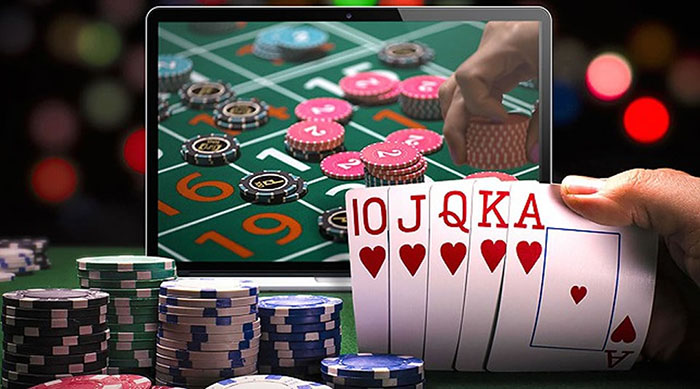
The digital age has revolutionized the gambling industry, making it more accessible than ever before. Online casinos and betting platforms have emerged, providing players the convenience of wagering from the comfort of their homes. This transformation has not only expanded the reach of gambling but has also introduced new forms of games and betting strategies tailored for an online environment.
With the advent of technology, players now have access to advanced analytics and insights, enabling them to refine their strategies for games such as poker and blackjack. This evolution reflects a shift in how gambling is perceived and engaged with, as online platforms continue to innovate and enhance the gaming experience.
Join the Gaming Revolution
As the world of gambling continues to evolve, our platform offers an exciting opportunity for players to experience a diverse range of games without the constraints often associated with traditional settings. We provide an inclusive and user-friendly environment, ensuring that everyone can enjoy thrilling gameplay.
By joining us, players can explore exclusive promotions and access expert tips to enhance their gaming strategies. Our commitment to safety and enjoyment positions us as a premier destination for those seeking the ultimate online gaming experience, reflecting the rich cultural legacy of gambling while embracing the innovations of the digital age.
