
No products in the cart.
Exploring the World of Demos A Comprehensive Guide

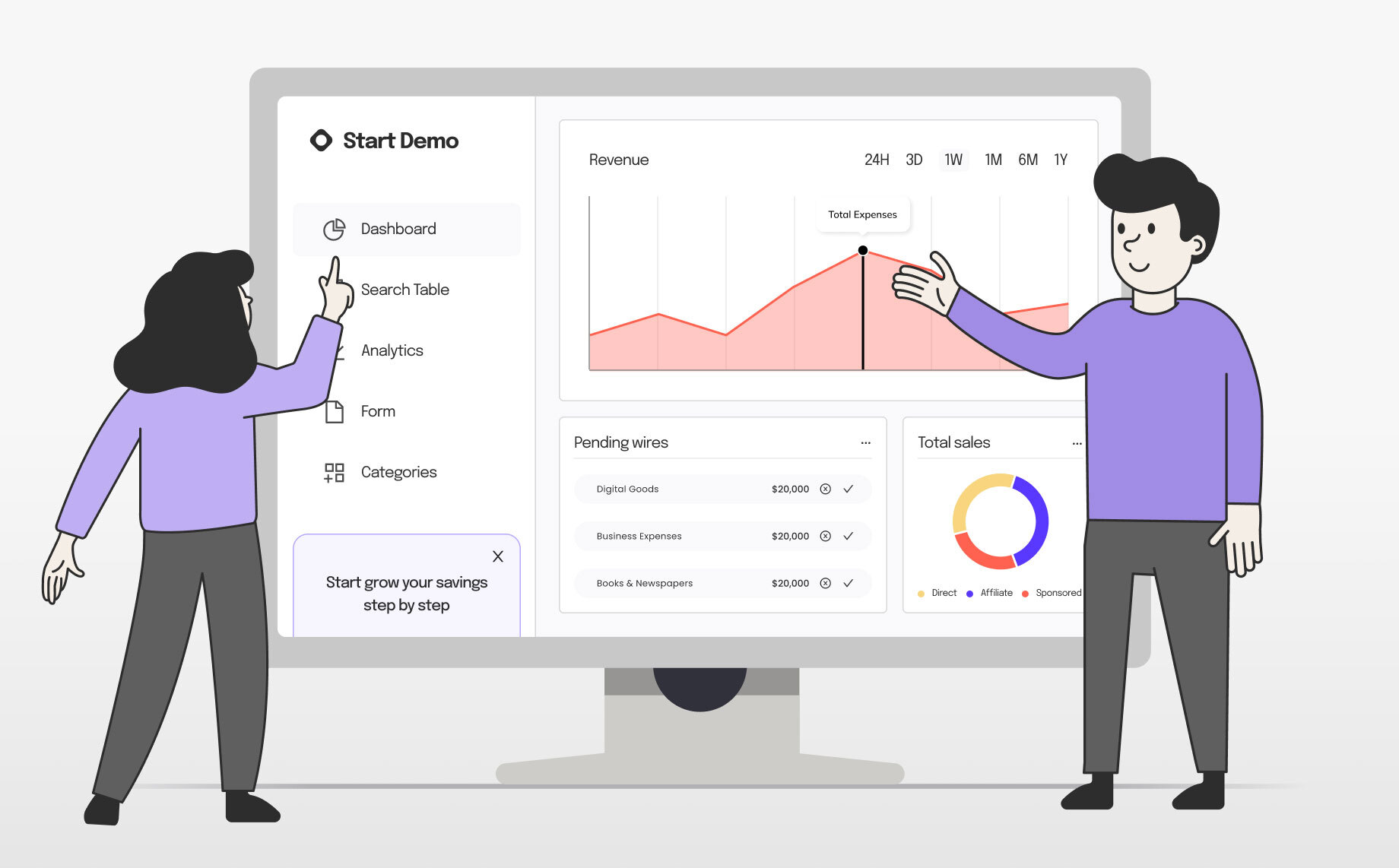
Understanding Demos: The Art of Demonstration
Demos serve as an essential tool in various industries, allowing individuals and businesses to showcase their products and services effectively. With the rise of digital platforms, demo Chicken Road play has transformed how we perceive demos, making them accessible and engaging for wider audiences. In this article, we will delve into the importance of demos, their formats, and their impact on consumers and businesses alike.
The Importance of Demos
Demos play a critical role in product marketing and presentation. They enable potential customers to visualize the functionality and benefits of a product before making a purchase decision. This is particularly crucial in sectors like software development, electronics, and consumer goods where understanding the user interface, features, and usability can significantly influence buying decisions.
Benefits of Using Demos
- Enhanced Customer Engagement: Demos interactively engage potential customers, allowing them to ask questions and receive real-time feedback, which helps in building trust.
- Clear Communication: Demos simplify complex concepts, making it easier for audiences to understand how a product works and the problems it solves.
- Increased Conversion Rates: Effective demos can lead to higher conversion rates as they provide potential buyers with a firsthand experience of the benefits.
- Competitive Edge: Offering a demo can set a product apart from competitors who may not provide similar opportunities for prospective clients.
Types of Demos
There are several different formats for conducting demos, each catering to various needs and preferences:
Live Demonstrations
Live demos can be conducted in person or virtually. They allow real-time interaction between the presenter and the audience, making it possible to address queries as they arise. Webinars, product launch events, and trade shows often utilize live demonstrations to create a more personal experience.

Pre-recorded Videos
Pre-recorded demos provide a polished presentation of a product, allowing companies to control the narrative and highlight specific features effectively. These videos can be shared across multiple channels, including social media, websites, and email newsletters.
Interactive Demos
Interactive demos, often seen in software applications, allow users to engage with the product directly. These can be in the form of trials, simulators, or guided tours, ensuring users can explore the functionality at their own pace.
How to Create an Effective Demo
Creating a successful demo involves several essential steps:
1. Know Your Audience
Understanding your audience’s needs and pain points is crucial. Tailor your demo to address their specific concerns, demonstrating how your product can deliver solutions that resonate with them.
2. Keep It Simple
Avoid overwhelming potential customers with too much information. Focus on key features and benefits that are most relevant to your audience. Clarity is paramount to ensure that the product’s value proposition shines through.
3. Be Prepared
Practice your demo multiple times to become familiar with the flow and anticipate potential questions or issues that may arise during the presentation. Having a well-structured script or outline can enhance the delivery.
4. Use Visual Aids
Incorporating visual aids such as slides, images, or infographics can help maintain engagement and clarify difficult concepts. Ensure that your visuals align with your spoken content for maximum impact.
5. Invite Interaction
Encourage questions and feedback during live presentations. For recorded demos, consider adding FAQs or providing avenues for viewers to reach out with their inquiries. Interaction fosters a connection between you and your audience.
Measuring the Success of Your Demo
Once you’ve conducted a demo, it’s essential to measure its effectiveness to understand what worked and what didn’t. Here are a few metrics to consider:
1. Audience Feedback
Collect feedback through surveys or follow-up interviews to gauge the audience’s impressions and identify areas for improvement.
2. Engagement Rates
Analyze the level of engagement during the demo. Metrics such as attendance rates, question counts, and time spent on the demo can provide insights into its effectiveness.
3. Conversion Rates
Ultimately, the success of a demo can be quantified by its impact on sales. Tracking how many attendees went on to purchase after attending the demo will give you a clear measure of its effectiveness.
Conclusion
In conclusion, demos are a powerful tool for demonstrating products and services in today’s digital landscape. When executed effectively, they can enhance customer engagement, simplify communication, and ultimately drive sales. As technology continues to evolve, embracing innovative demo formats will be critical to staying ahead in a competitive market. By focusing on audience needs, maintaining clarity, and inviting interaction, businesses can create memorable demos that resonate with consumers and lead to lasting success.
