
No products in the cart.
Ayurvedic Massage: Abhyanga Method for Mind And Body Restoration

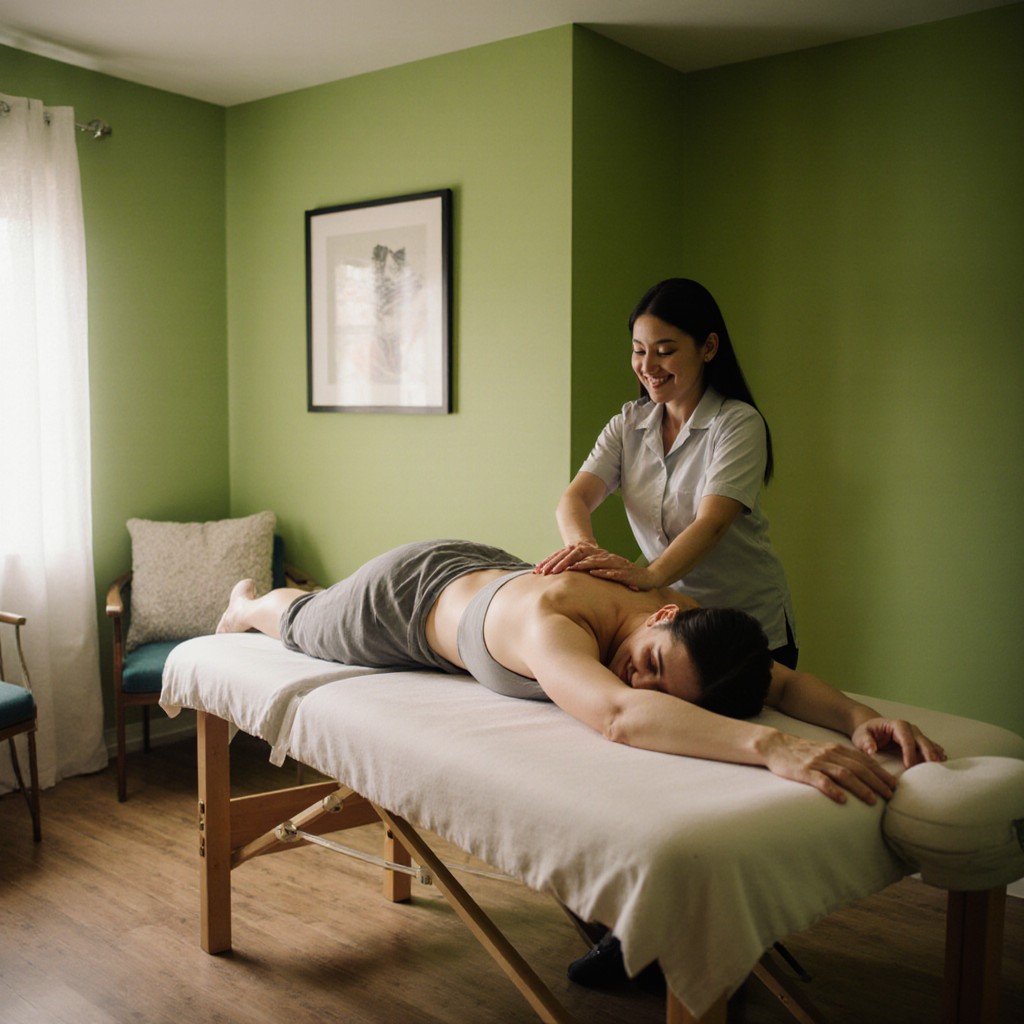
There’s something silently powerful about ancient rituals – the ones that endured centuries of adjustment and still make good sense today. Ayurvedic massage, especially the method of abhyanga, is one of those. Visualize a cozy, rich oil flowing through your fingers, the stable pressure grounding you back right into your body after a day of, well … everything. It’s not nearly ‘relaxing,’ though that takes place as well – it’s about real healing, physical and emotional.
Ayurvedic massage (I’ll make use of that term a couple of times due to the fact that it’s the umbrella we’re speaking about) is acquiring grip once more due to the fact that people are understanding: we do not require another device or chemical potion to really feel much better. Occasionally we just need our hands, great oil, and a little patience. And believe me, once you experience the glow of abhyanga ayurvedic massage therapy, it’s difficult to go back.
What Is Ayurvedic Massage Therapy (Abhyanga)?
Ok, allow’s decrease a little bit – what exactly are we speaking about when we say ayurvedic massage or abhyanga?by link ayurveda valencia website
In Ayurveda (which, by the way, is a 5,000-year-old recovery system from India), abhyanga is an everyday self-care routine including a full-body cozy oil massage. It’s not the deep-tissue elbow-digging you could expect from a Western medspa. No, abhyanga is gentler, a lot more balanced – like you’re both massaging and feeding your body at the same time.
The oils are a big deal right here – it’s typically medicated or organic oils chosen particularly for your dosha (your mind-body constitution). Much more on that quickly. Yet essentially, ayurvedic oil massage therapy isn’t just apparent. It’s a therapeutic method that’s claimed to pass through the tissues, nurture the organs, and, in some way, even stabilize emotions.
There’s additionally ayurvedic body massage done by expert therapists (especially in Kerala, where the kerala ayurvedic massage practice is solid), however self-abhyanga in the house is deeply urged. Ayurveda believes that day-to-day oiling can actually reduce aging, reinforce the immune system, and boost mental clarity. And I’ll be honest – after doing abhyanga frequently for a month, my skin looked like it came from somebody who sleeps in a temple constructed from satin. I’m not kidding.
Benefits of Abhyanga Self-Massage
Physical effects: circulation, detox, skin nutrition
Let’s geek out for a second due to the fact that the physical benefits of abhyanga ayurvedic massage therapy are pretty mind-blowing.
When you warm up the oil and massage therapy it right into your skin, you’re doing a few crucial things simultaneously: boosting circulation, improving lymphatic drainage, and deeply hydrating the cells. Picture it like carefully wringing out your tired arm or legs, squeezing out toxins, and changing them with sustenance.
Plus, ayurvedic oil massage is popular for enhancing skin structure. The oils made use of – like sesame, coconut, or almond – are loaded with nutrients that the skin in fact drinks in (unlike some synthetic creams that simply rest there like clingfilm). Likewise, normal practice reinforces the joints, kicks back muscle stress, and truthfully, makes you feel like you’re covered in a cozy hug.
Side note: I made use of to have those weird ‘creaky’ knee sounds during squats. After a few weeks of abhyanga, the creakiness – gone. Coincidence? Possibly. However I’m not betting versus Ayurveda.
Mental/emotional benefits: stress and anxiety relief, grounding, quality
Now onto the softer, subtler magic: the mental and emotional things.
Ayurvedic head massage (yes, there’s a whole thing for just the scalp, called ayurvedic scalp massage therapy) can be specifically soothing. The sluggish, intentional motion with the crown of the head actually calms the nerves, balances prana (life force energy), and lowers nervous ideas.
There’s a real, concrete grounding effect after a session. You may begin with an auto racing mind packed with to-dos, and wind up … simply existing. Like a well-rooted tree persuading delicately with life. Sounds significant, however any individual who’s experienced an indian ayurvedic massage will tell you – the emotional exhale is real.
I have actually directly had nights when I strolled right into a session sensation tired and weak and floated out sensation luminescent, like someone had actually ironed out my entire aura.
How to Choose the Right Ayurvedic Oils
Here’s things: not all oils are created equivalent when it comes to ayurvedic massage therapy. Picking the appropriate oil for your constitution (your dosha) is half the magic. It’s a bit like discovering the ideal pair of shoes – sure, you can use anything practically, but the appropriate fit changes whatever.
In ayurvedic massage treatment, the oil acts practically like a bridge in between you and equilibrium – it brings the herbs’ intelligence right into your body, calming whatever’s out of whack. And trust me, you recognize when you get it right. It’s like your body blurts a deep, silent ‘thank you.’
Best oils for every dosha (Vata, Pitta, Kapha)
Let’s maintain it basic. You don’t require to examine Sanskrit to pick your oil.
- Vata Dosha (air and space elements): Dry, cold, and usually troubled.
- Ideal oils: Warm, hefty oils like sesame oil, ashwagandha-infused oils, or malkangani oil (staff preferred!). These oils anchor the nerve system and hydrate dry cells.
- Pitta Dosha (fire and water aspects): Hot, intense, often inflamed.
- Finest oils: Air conditioning oils like coconut oil, brahmi oil, or an unique herbal mix called pitta-balancing oil. These relieve warmth, inflammation, and inner fires (both literal and emotional, ha).
- Kapha Dosha (earth and water components): Dense, slow, often heavy.
- Finest oils: Light, boosting oils like mustard oil or triphala-infused oils. These oils rejuvenate and help relocate torpidity – sort of like jabbing a comfortable bear awake after winter.
Tiny admission: I’m largely Vata, but once in summer, I accidentally made use of a heavy sesame oil when I was currently feeling overheated. Instantaneous regret. I was basically a human pancake – hefty, sticky, unpleasant. Precept? Match your oil to your dosha and your atmosphere.
Exactly how oils support skin wellness and interior balance
Beyond doshas, great ayurvedic oil massage therapy nurtures the skin in methods lotions can’t dream of.
Why? Due to the fact that oils are lipid-based, and our skin’s natural barrier is too. That means the nutrients really take in deeper, sustaining hydration, elasticity, and durability at the mobile level. If you manage dryness, very early wrinkles, inflammation – day-to-day abhyanga with the appropriate oil can be a game-changer.
And internally? Oils calm vata (which governs activity, including nerve impulses). This develops stability, much better food digestion, enhanced rest, and even far better state of mind regulation.
One last note: finest ayurvedic massage therapy experiences often involve using specifically ready oils with dozens of natural herbs cooked into them. If you obtain the opportunity to try one during a kerala ayurvedic massage, do it. It’s like a band of plants playing a harmony on your skin.
Exactly how to Do Abhyanga in the house
You do not need a full day spa configuration to bring abhyanga ayurvedic massage therapy right into your day-to-day live. Honestly, you don’t also need greater than 20 minutes. What matters is purpose – that sluggish, loving interest you hardly ever give on your own.
Step-by-step routine and timing
Here’s an easy, real-world guide:
- Cozy the oil: Put your chosen oil into a small bottle. Cozy it by putting it in hot water for a couple of mins (don’t microwave it, unless you like depressing, microwaved chi).
- Undress in a cozy room: Ideally, somewhere you won’t slide and break a hip (seriously, oil and floor tile floorings are not close friends).
- Begin at the scalp: Massage therapy cozy oil into your head initially. Use your fingertips, not your nails, with circular movements. This is ayurvedic head massage therapy at work.
- Job downward: Transfer to your face, neck, shoulders, arms – always rubbing towards your heart. Long strokes on the limbs; circular on the joints.
- Massage therapy the abdominal area and chest carefully: Big, clockwise circles help digestion. After that move onto legs and feet – take your time here; ayurvedic foot massage therapy is incredibly basing.
- Let it rest: Ideally, allow the oil take in for 15-30 minutes. Utilize this moment to sip herbal tea, meditate, or simply zone out gloriously.
- Shower smart: Make use of cozy water and a moderate soap just if necessary. Warm water opens up pores and aids oils penetrate much deeper.
Incentive Suggestion: Keep an old towel for this. Oil spots textiles completely – found out that the unpleasant way.
When to prevent Abhyanga or look for professional care
There are a few times when self-abhyanga isn’t recommended:
- Throughout ailment, high temperature, or extreme digestive system inequality
- Quickly after heavy meals
- During menstrual cycle for some women (though this varies individually)
- If you have extreme skin disease or open injuries
In these situations, it’s much better to consult an Ayurvedic professional. Sometimes, tailored therapies like indian ayurvedic massage sessions (done by qualified therapists) are a much better fit.
And hi there – getting spoiled by a pro is never a poor idea either.
Ayurvedic Massage Therapy vs Western Massage Therapy
Ok, so if you’re wondering – how does ayurvedic massage stack up against, say, a typical Swedish or deep tissue massage therapy? Fair concern.
Western massage therapy often tends to concentrate mostly on muscles. You stroll right into a day spa with tight shoulders; they dig in with arm joints and fancy strategies until those knots surrender (or you cry uncle). It’s mechanical – restorative, without a doubt – but often centered on physical stress.
Ayurvedic massage therapy, on the other hand, is holistic to the core. Abhyanga doesn’t just intend to ‘repair’ tight spots. It functions to balance your entire energy system – mind, body, spirit – making use of touch, oils, rhythm, and intent. It’s not about fighting the body however inviting it into equilibrium.
Additionally, while Western massage therapy typically makes use of creams or odorless oils minimally, ayurvedic oil massage therapy actually floodings the body with warm, herbalized oils. We’re chatting generous, nurturing amounts. Your skin ends up being a sponge, your nerves a purring pet cat.
Quick fictional scene: my friend when booked a kerala ayurvedic massage therapy throughout a backpacking trip in India. She expected ‘a little oil and a nice rub.’ Rather, she almost had to swim home later, completely blissed out. (And her skin shone for days.)
Simply put: Western massage therapy deals with muscles. Ayurvedic massage therapy nourishes the entire being.
Final thought
Here’s the honest truth: in a world dashing towards much faster fixes and digital whatever, practices like abhyanga ayurvedic massage therapy really feel nearly defiant. They slow you down. They demand your presence. They support parts of you that modern-day life neglects.
Whether you’re drawn to the deep leisure of ayurvedic scalp massage therapy, the physical strengthening of ayurvedic foot massage therapy, or simply the comfy, grounding hug that is daily ayurvedic body massage therapy, there’s something in this custom that resonates at a primitive, human degree.
And you do not need to schedule a trip to India or invest hundreds at a health facility. You just require a bottle of oil, your hands, and the willingness to tune in.
If you read this, maybe it’s your indication: try Abhyanga. Start small. Feel it out. Mess it up a little. (That’s reality, right?) And enjoy exactly how something so simple can start to shift everything.
Begin your ayurvedic massage therapy journey today – order your favored dosha-balancing oil, carve out a silent half-hour, and offer on your own the present of genuine self-care. You deserve it.
